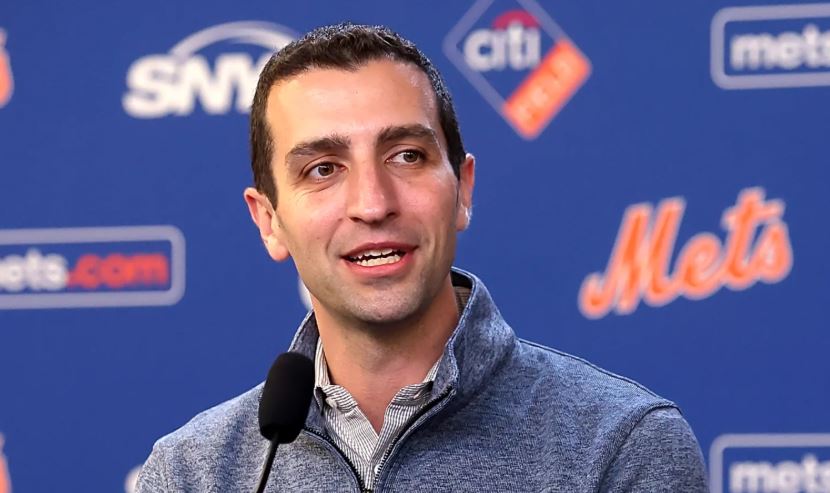
As David Stearns rebuilds the New York Mets team, the perception throughout the summer has been that he has been putting financial discipline ahead of huge splashes. This explains why he has been sluggish to acquire a top-of-the-rotation arm, why he has taken failing relievers from the New York Yankees rather than spending a fortune on first-tier possibilities, and why he let Pete Alonso to leave without much of a fight.

In an attempt to create a team that was better than the sum of its parts, it was hypothesized that the Mets would target a number of less expensive options on San Diego’s roster, such as Nick Pivetta over Framber Valdez and Ramon Laureano over Kyle Tucker or Cody Bellinger, when trade talks with the San Diego Padres were allegedly intense about a month ago.

Fans complained that Stearns doesn’t sign celebrities since it appeared that the signing of Juan Soto last winter was an exception driven by Steve Cohen, proving the norm.
The fact that the Mets have made a $50 million AAV offer for Kyle Tucker has completely dashed those hopes, demonstrating that the team will still pay if a player is genuinely worth it.
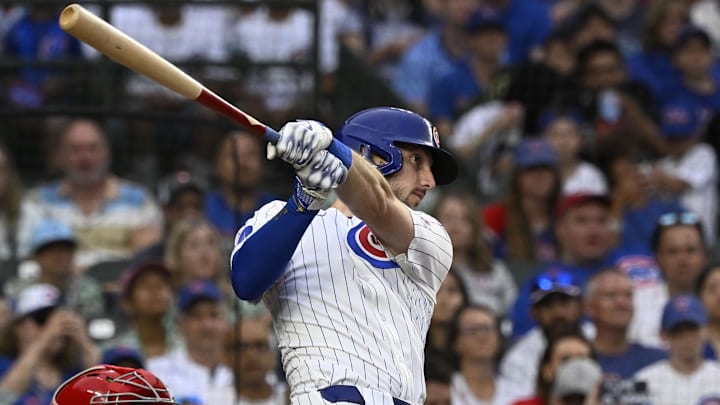
The Mets’ $50 million AAV offer to Kyle Tucker disproves the David Stearns doesn’t sign stars narrative
When a club is spending $50 million a year on a star outfielder, it’s difficult to argue that he doesn’t spend, but that’s just where we are with Stearns and Tucker.
That’s not to suggest there aren’t some disclaimers. First, it would already be in the bag if this were a long-term agreement. The Mets aren’t providing the former Chicago Cub with the ten-year commitment he wants, which is why they are offering such a high yearly compensation. The contract would already be signed, sealed, and delivered if they had.
The second crucial point to keep in mind is that this free-agent class is generally somewhat weak. Despite Tucker’s talent, a long-term contract with him would be risky due to his current injury problems. Other elite free agents, such as Cody Bellinger, Pete Alonso, Alex Bregman, and Kyle Schwarber, have a number of flaws, including poor defense, aging curves, exit velocity problems, and incapacity to play the field. After the top tier, there comes a very sharp decline.
On the pitching side, the same is true. Despite landing a huge deal, Dylan Cease’s performance has been inconsistent, ranging between campaigns that are on par with Cy Young’s and performances that are just below average. Although Framber Valdez had previously looked the part, he was hindered by clubhouse problems and a subpar performance in the second half. Some pitchers, like as Michael King and Ranger Suarez, are reliable No. 2s rather than true aces.
In addition to all of this, a possible labor strike in 2027 is causing a great deal of uncertainty and lowering the market as a whole.

But Stearns is demonstrating to Tucker that he is prepared to go above and beyond if he believes a player is worthwhile. It appears that the Mets have added a fourth year to what was once believed to be a three-year contract. A man who doesn’t want to spend money wouldn’t do it.
This could all work out beautifully for Tucker as well. The test examples are Alonso and Bregman, both of whom opted out and settled for the pillow contract last year, receiving more money altogether than any long-term contracts they had previously been presented with.
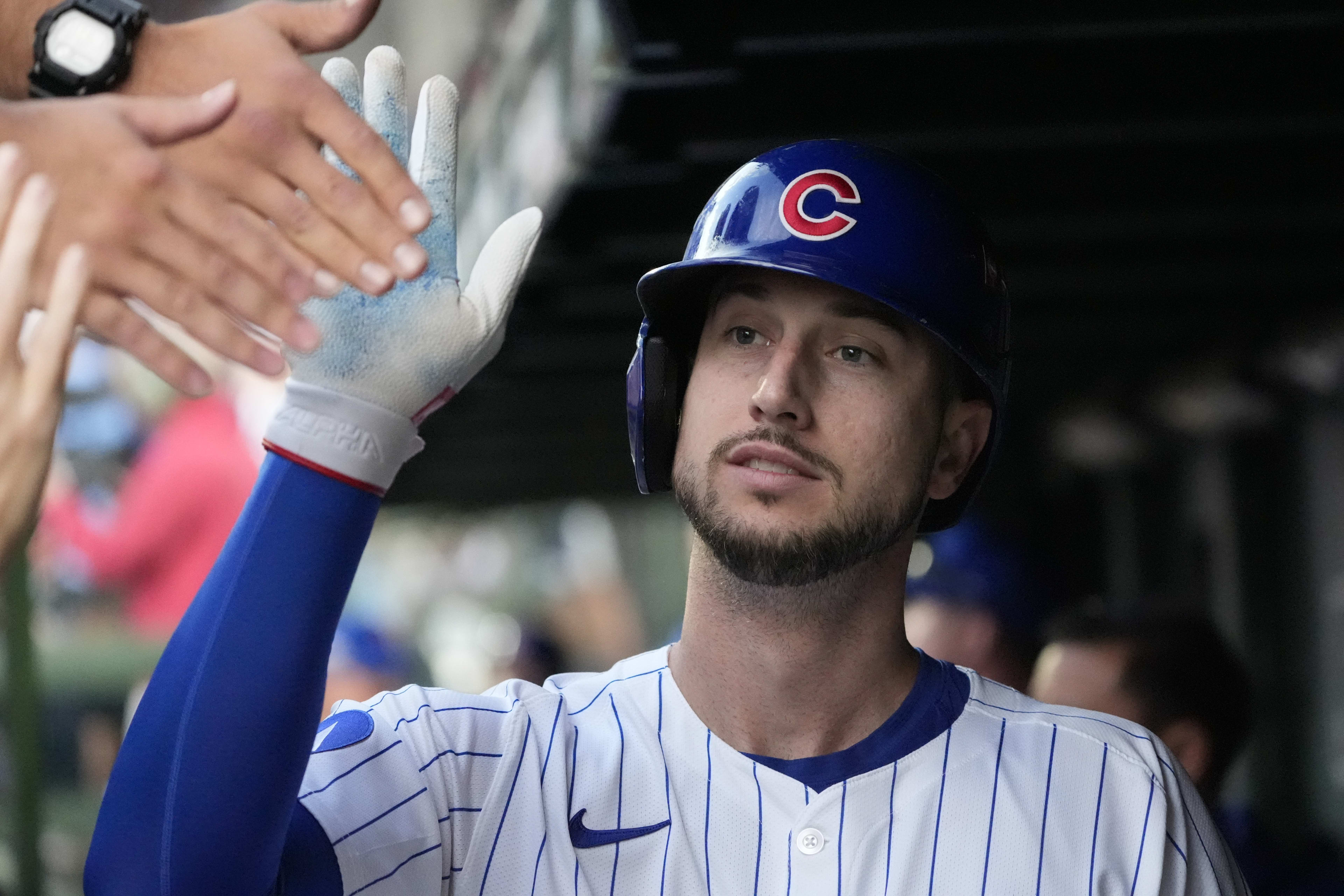
Although we haven’t reached the Tucker finish line yet, Stearns has disproved the conventional wisdom and presented a strong argument for the four-time All-Star’s decision to go to Queens. Moral wins don’t really count, but you can’t claim with certainty that the Mets can’t land this plane in light of these recent circumstances.