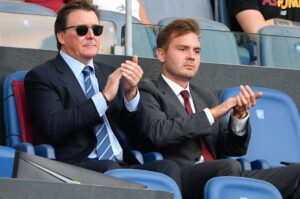
Everton have been rocked by a major ownership development after The Friedkin Group (TFG) confirmed it is exploring fresh investment options, including the potential sale of a controlling stake in the Premier League club.
The announcement, made on October 9, 2026, comes less than two years after the American group took control of the Toffees from Farhad Moshiri in December 2024.
The news has intensified questions about Everton’s long-term direction, with supporters already frustrated by the club’s transfer strategy and concerns over the level of investment needed to compete with the Premier League’s leading sides.
According to reports, TFG has appointed investment bank Moelis & Company to advise on the process. Although the group has not confirmed a buyer or set a deadline for a transaction, its willingness to relinquish control represents a significant development for the Merseyside club.

Everton ownership decision sparks fresh questions
TFG initially arrived at Everton promising stability after years of financial uncertainty. Under its ownership, the club moved into the Hill Dickinson Stadium, marking a major milestone in Everton’s history.
However, the owners have faced mounting criticism following a turbulent summer transfer window that left manager David Moyes with concerns about the depth of his squad.
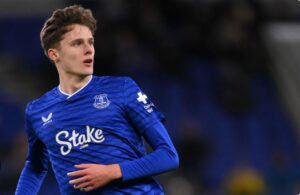
One of the biggest flashpoints involved highly rated midfielder Harrison Armstrong. Everton accepted a reported £40 million offer from Nottingham Forest, triggering a furious reaction among supporters. The proposed transfer was subsequently abandoned following the backlash.
Everton also sold attacking midfielder Iliman Ndiaye to Manchester City for a reported £65 million and allowed striker Beto to join Fiorentina, while a proposed move for Monaco forward Folarin Balogun collapsed.
The sequence of events raised concerns about whether Everton were reducing their ambitions at a time when supporters expected the club to build on its move to a new stadium.
David Moyes admits surprise over sale plans
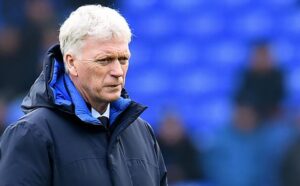
Moyes was reportedly caught off guard by the ownership announcement, revealing that he only learned of the development on the morning it was made public.
The Everton manager had returned to the club in January 2025 with ambitions of restoring the Toffees to regular contention for European qualification.
The possibility of another ownership transition could complicate those plans, particularly if uncertainty over investment affects recruitment and long-term squad building.
Nevertheless, TFG has insisted that it will continue supporting Everton throughout the process and will consider proposals only from parties it believes can take the club forward.
What happens next for Everton?
The potential sale does not mean Everton have already changed owners. The Friedkin Group remains in control while it explores its options, and any prospective takeover would need to satisfy the relevant regulatory requirements.
The club’s new stadium, established Premier League status and passionate fanbase could make it an attractive proposition to investors. However, the cost of strengthening the squad, servicing existing financial commitments and sustaining long-term progress will remain important considerations for any prospective buyer.
For Everton supporters, the central question is whether new ownership would bring greater ambition and investment—or simply another period of uncertainty.
With the January transfer window approaching, the outcome of the process could prove crucial to Moyes’s plans and Everton’s hopes of building a more competitive team.